Lombok Surf Safety Guide: Rips, Reefs, and Staying Safe
Ready to Catch Your First Wave?
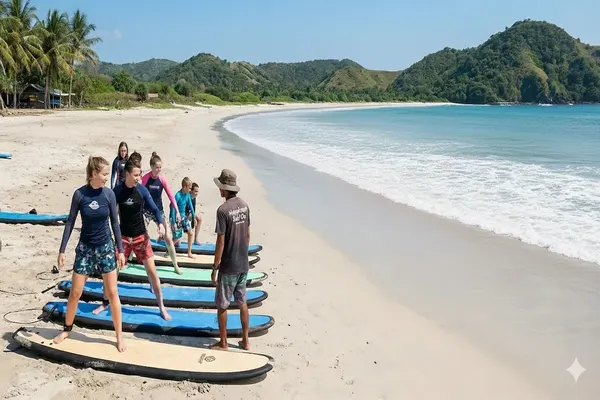
Join our beginner-friendly surf lessons and experience the thrill of surfing with patient, experienced instructors.
Respect the Ocean: A Foundation for Safe Surfing
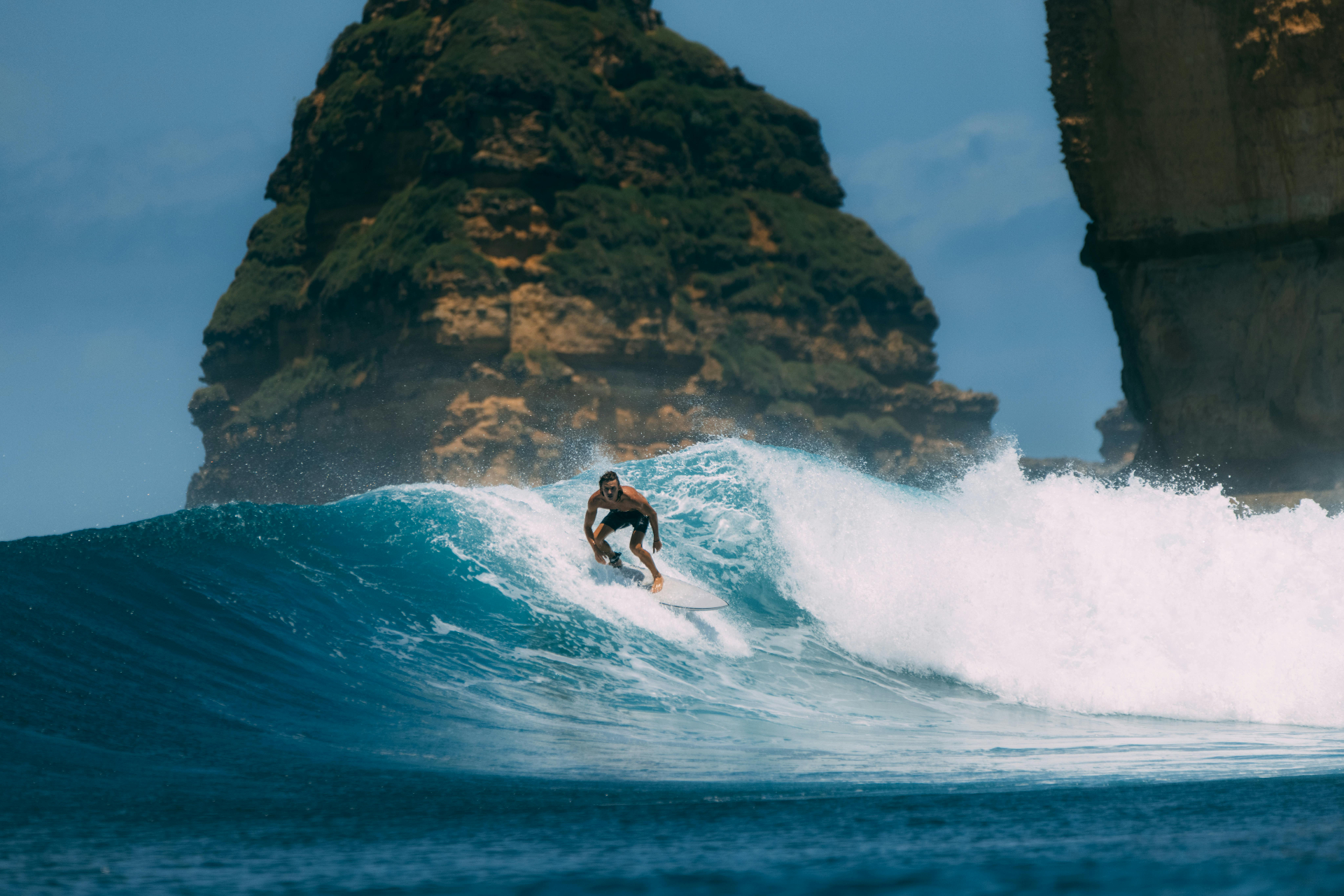
The same forces that make Lombok's waves world-class demand respect. Every experienced surfer has stories of conditions that humbled them – the rip that wouldn't release, the reef that drew blood, the hold-down that tested lung capacity.
This isn't meant to frighten you away from surfing. It's meant to prepare you for the realities of ocean recreation. Knowledge prevents accidents. Preparation transforms dangerous situations into manageable challenges.
Beginner surf lessons in Lombok always begin with safety briefings. This guide expands that foundation for anyone spending time in these waters.
Understanding Rip Currents
What They Are
Rip currents are channels of water flowing from shore back to sea. They form when waves push water toward the beach, and that water needs to return to the ocean. The return flow finds paths of least resistance – often through deeper channels or breaks in sandbars.
In Lombok's beaches, rips form predictably. Learning to spot them before entering the water prevents unpleasant surprises.
How to Identify Rips
Look for:
- Discolored water: Rips often appear darker (deeper) or murkier (stirred sediment) than surrounding water
- Foam trails: Lines of foam or debris moving steadily seaward
- Gaps in breaking waves: Waves break on sandbars; rips flow through deeper channels where waves don't break
- Rippled, choppy surface: Water moving against incoming waves creates texture differences
Before every session: Spend five minutes watching the water from shore. Identify where waves break consistently and where channels exist.
Surviving a Rip
If caught in a rip current:
- Don't panic. Rips don't pull you under; they pull you out.
- Don't fight it directly. Swimming against a strong rip exhausts even powerful swimmers.
- Swim parallel to shore. Move sideways across the rip until you're in normally flowing water.
- Use the waves. Once clear of the rip, let breaking waves help push you toward shore.
- If exhausted: Float, conserve energy, signal for help. Lifeguards know rips exist.
With a surfboard: Your board is a flotation device. Lie on it, paddle sideways across the rip, and use it to rest if tired.
Reef Break Hazards
Sharp Coral and Rock
Many of Lombok's best waves break over coral reef or volcanic rock. This creates consistent, quality surf – and unforgiving surfaces when surfers fall.
Prevention strategies:
- Wear reef booties for foot protection
- Fall flat, not diving headfirst
- Cover head and face when wiping out
- Wait for deeper tides at shallow breaks
Reef Cuts: Immediate Treatment
Tropical reef cuts demand immediate attention. Warm water breeds bacteria that infect wounds rapidly. What seems like a minor scrape can become a serious infection within days if untreated.
Immediate first aid:
- Exit water (infection risk increases with continued exposure)
- Rinse with clean fresh water
- Remove visible debris with tweezers
- Apply hydrogen peroxide or antiseptic
- Cover with waterproof bandage
- Keep dry for 24-48 hours if possible
Seek medical attention if:
- Wound is deep or won't stop bleeding
- Signs of infection appear (redness spreading, warmth, pus)
- Fever develops
- Wound involves joints or tendons
Bring a reef cut kit in your luggage – antiseptic, bandages, and wound care supplies.
Sea Urchins
Black sea urchins inhabit many of Lombok's reef breaks. Stepping on them is painful and can lead to infection.
Prevention: Wear reef booties. Shuffle feet when walking on reef. Watch where you step.
Treatment if stung:
- Remove visible spines with tweezers
- Soak in hot water (as hot as bearable) for 30-60 minutes – heat denatures proteins that cause pain
- Apply antiseptic
- Monitor for infection
- Some spines break off and dissolve naturally over weeks
Understanding Wave Hazards
Hold-Downs
Powerful waves can push surfers underwater and keep them there through the wave's cycle. While rarely lasting more than seconds, hold-downs feel longer and trigger panic for unprepared surfers.
Preparation:
- Practice breath holds on land (start at 30 seconds, build gradually)
- Stay calm when held under – fighting wastes oxygen
- Protect your head; curl into a ball if tumbling
- Relax muscles to conserve oxygen
- Follow your leash toward the surface when turbulence subsides
Know your limits: Gerupuk's outside breaks, Desert Point, and other advanced spots deliver hold-downs that challenge experienced surfers. Don't surf waves beyond your ability.
Board Contact
Surfboards become projectiles during wipeouts. Your board, or someone else's, can cause serious injury.
Prevention:
- Maintain distance from other surfers
- Fall away from your board when possible
- Cover your head when resurfacing
- Use a proper leash appropriate for conditions
- Check leash attachment before each session
Crowd-Related Risks
Busy lineups multiply collision potential. Surf etiquette exists partly for safety reasons.
Safe practices:
- Paddle around breaking waves, not through them
- Communicate with other surfers
- Don't drop in on occupied waves
- Yield to surfers closest to the peak
Tropical Health Hazards
Sunburn and Heat
Lombok sits eight degrees south of the equator. The sun's intensity surprises visitors from temperate climates. Severe sunburn can end trips early and cause long-term skin damage.
Protection:
- Apply reef-safe sunscreen 30 minutes before entering water, reapply hourly
- Wear long-sleeve rashguards
- Consider a surf hat
- Seek shade between sessions
- Stay hydrated (drink before you're thirsty)
Dehydration
Saltwater and tropical heat dehydrate faster than you realize. By the time you feel thirsty, you're already underhydrated.
Prevention:
- Drink water before, during (between sessions), and after surfing
- Coconut water provides natural electrolyte replacement
- Limit alcohol the night before early sessions
- Recognize symptoms: headache, fatigue, dizziness, dark urine
Ear Infections
"Surfer's ear" and general ear infections occur frequently in tropical waters. Warm, moist conditions promote bacterial growth.
Prevention:
- Dry ears thoroughly after each session
- Consider ear drops designed for swimmers
- Tilt head and hop to drain trapped water
- Seek treatment quickly if pain develops
Weather-Related Safety
Storms and Lightning
Wet season (November-March) brings afternoon thunderstorms. Lightning poses genuine danger to surfers – being the highest point in flat water isn't safe.
Storm protocols:
- Watch weather forecasts
- Exit water at first sign of lightning
- Wait 30 minutes after last thunder before returning
- Seek shelter in substantial buildings, not under isolated trees
Currents and Conditions
Wave size and current strength can change dramatically during a session. Swells build throughout the day; tides affect reef exposure; winds shift conditions.
Stay aware:
- Note landmarks when entering water to track drift
- Periodically check conditions against when you entered
- Exit before exhaustion makes it difficult
- Use surf guides at unfamiliar breaks
Emergency Preparedness
Know Your Location
Each surf spot has specific emergency access points. Before surfing a new break:
- Note nearest road access
- Identify other surfers who could assist
- Confirm mobile phone signal availability
- Locate nearest medical facilities
Kuta Lombok has basic medical clinics. Serious emergencies require transport to Mataram (1+ hour) or medical evacuation to Bali.
Emergency Contacts
Save in your phone:
- Indonesia emergency: 112 (general), 118 (ambulance)
- Local clinic/hospital numbers
- Your accommodation's contact
- Travel insurance hotline
Travel Insurance
Surfing is classified as "adventure sport" by many insurers. Confirm your travel insurance specifically covers surfing injuries, including water sports accidents and medical evacuation if needed.
Safety Equipment Checklist
Personal gear:
- [ ] Reef booties
- [ ] Proper leash for conditions
- [ ] Sun protection (rashguard, sunscreen, hat)
- [ ] Helmet (optional, recommended for reef breaks)
First aid supplies:
- [ ] Hydrogen peroxide or antiseptic
- [ ] Waterproof bandages
- [ ] Tweezers (for reef debris/urchin spines)
- [ ] Pain reliever
- [ ] Personal medications
Communication:
- [ ] Waterproof phone case
- [ ] Emergency contacts saved
- [ ] Insurance documentation accessible
When Not to Surf
Experienced surfers recognize when conditions exceed their abilities. This wisdom prevents more accidents than any safety equipment.
Sit it out when:
- Waves are significantly larger than you've handled before
- Currents are pushing you where you don't want to go
- You're tired, hungover, or feeling unwell
- Conditions are deteriorating
- Local surfers are describing it as dangerous
- You're uncomfortable (trust your instincts)
No wave is worth serious injury. Tomorrow's conditions might be perfect. Lombok's waves aren't going anywhere – your health should remain a priority.
Learning Safety Through Instruction
The fastest way to internalize ocean safety is through guided learning. Surf lessons include safety training as standard curriculum. Surf guides at unfamiliar breaks provide local knowledge that keeps visitors safe.
Lombok rewards respectful surfers with incredible experiences. That respect includes understanding the risks, preparing appropriately, and making smart decisions in the water.
Ready to learn safely? Book lessons with experienced instructors who prioritize safety alongside progression.
Frequently Asked Questions
Ready to Catch Your First Wave?
Join our beginner-friendly surf lessons and experience the thrill of surfing with patient, experienced instructors.
Book a Surf Lesson